
Russian Lawmaker Defends Students' Right to Foreign Music at Graduation
United Russia's Vitaly Milonov, known for conservative policies, opposes regional bans on international artists at school events, calling misinterpretation of language law "monstrous."
Regional Bans Spark Controversy
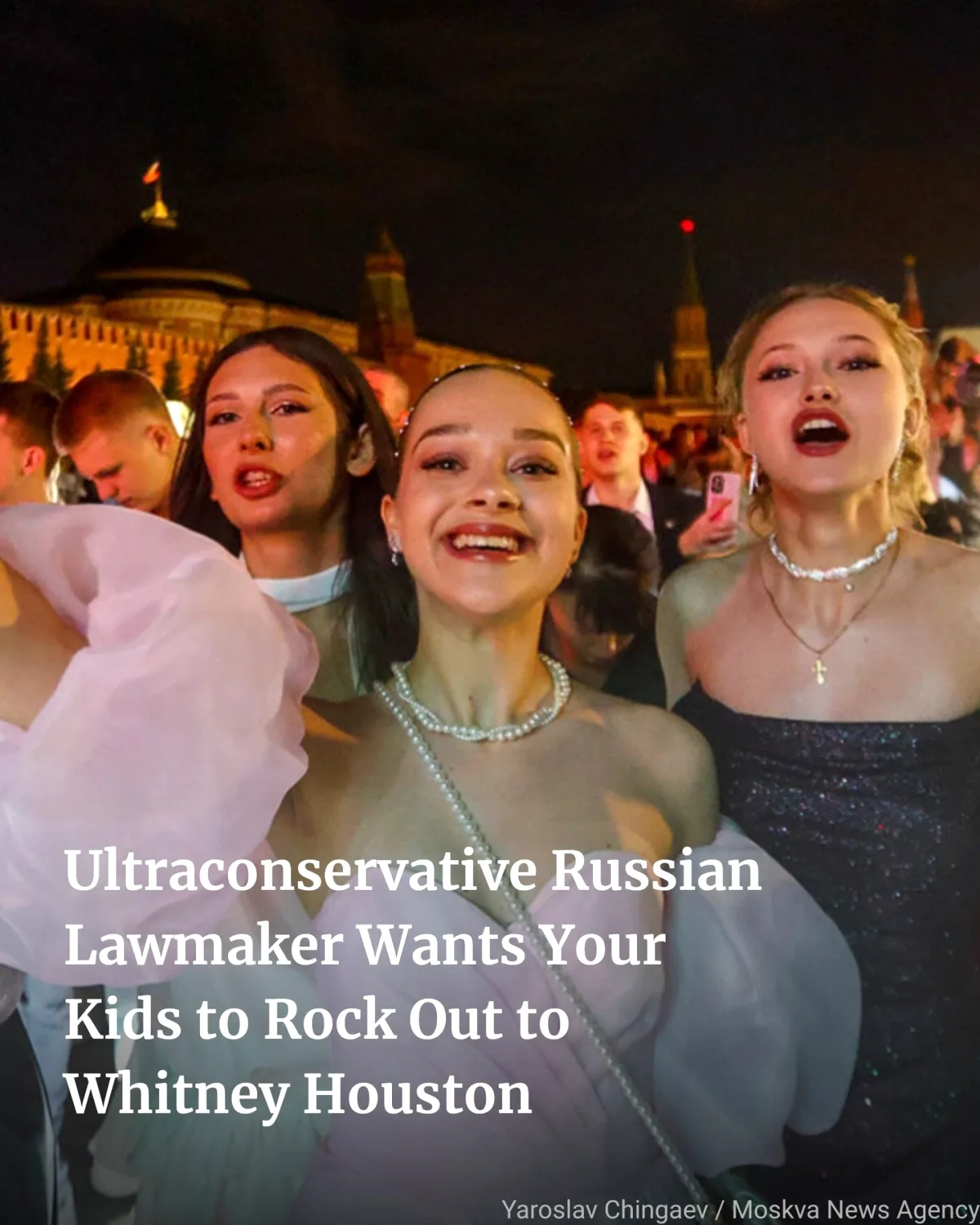
Russian media reports this week revealed that high schools in the Rostov, Yaroslavl, and Tambov regions have cited the language law when banning music by international artists including Sting, Toni Braxton, and Whitney Houston from upcoming graduation events. In the Ryazan region, education officials defended the move, asserting that administrators have the right to set musical guidelines based on "traditional values." "To my surprise, I heard that foreign music is being banned at graduation ceremonies in some regions," Milonov said in a video posted on his Telegram channel late Tuesday. "Why are they interpreting a law intended to protect the standards of the Russian language in such a monstrous way?"
Legislative Response Planned
Milonov announced that he and other United Russia lawmakers plan to amend the legislation outlining the use of the Russian language in public spaces to prevent what he called misinterpretation of the law's intent. "We need to clarify the language so that no one is tempted to do this again," he stated. The lawmaker's defense of foreign pop culture comes against the backdrop of Russia's broader cultural policies that have increasingly emphasized national sovereignty and traditional values. The Language Protection Law, which entered force on March 1, 2026, represents part of this broader push to prioritize Russian language and culture in public life.
Unexpected Position from Conservative Figure
Milonov's position is particularly notable given his reputation as one of Russia's most conservative lawmakers. He was among the primary architects of the 2013 law banning "gay propaganda" toward minors and has consistently advocated for policies aligned with traditional values and against Western cultural influence. The controversy emerges just weeks after Milonov was involved in a bizarre incident at a Russian music awards ceremony where he was heckled with a homophobic slur while presenting an award. Milonov later dismissed the heckler's motives, suggesting the outburst was actually fueled by "ingrained antisemitism" sparked by the lyrics of the song for which he was presenting the award.
Editor's Analysis
Milonov's unexpected defense of students' musical choices highlights the complex interplay between cultural protectionism and personal freedoms in contemporary Russia. While supporting broader policies against foreign influence, he appears to draw a line at restricting individual enjoyment of international music at celebratory events. This incident demonstrates how even carefully crafted legislation can be interpreted in ways unintended by its creators, potentially leading to restrictions that exceed their original scope. The planned amendments suggest lawmakers recognize the need for clearer boundaries between language protection and cultural expression.
HaberGo Editor ve Muhabır ekibi