
BJP's Historic West Bengal Victory Reshapes India's Political Map
Narendra Modi's BJP party achieves breakthrough victory in West Bengal, ending TMC's 15-year rule and marking a significant shift in India's political landscape with 207 seats won.
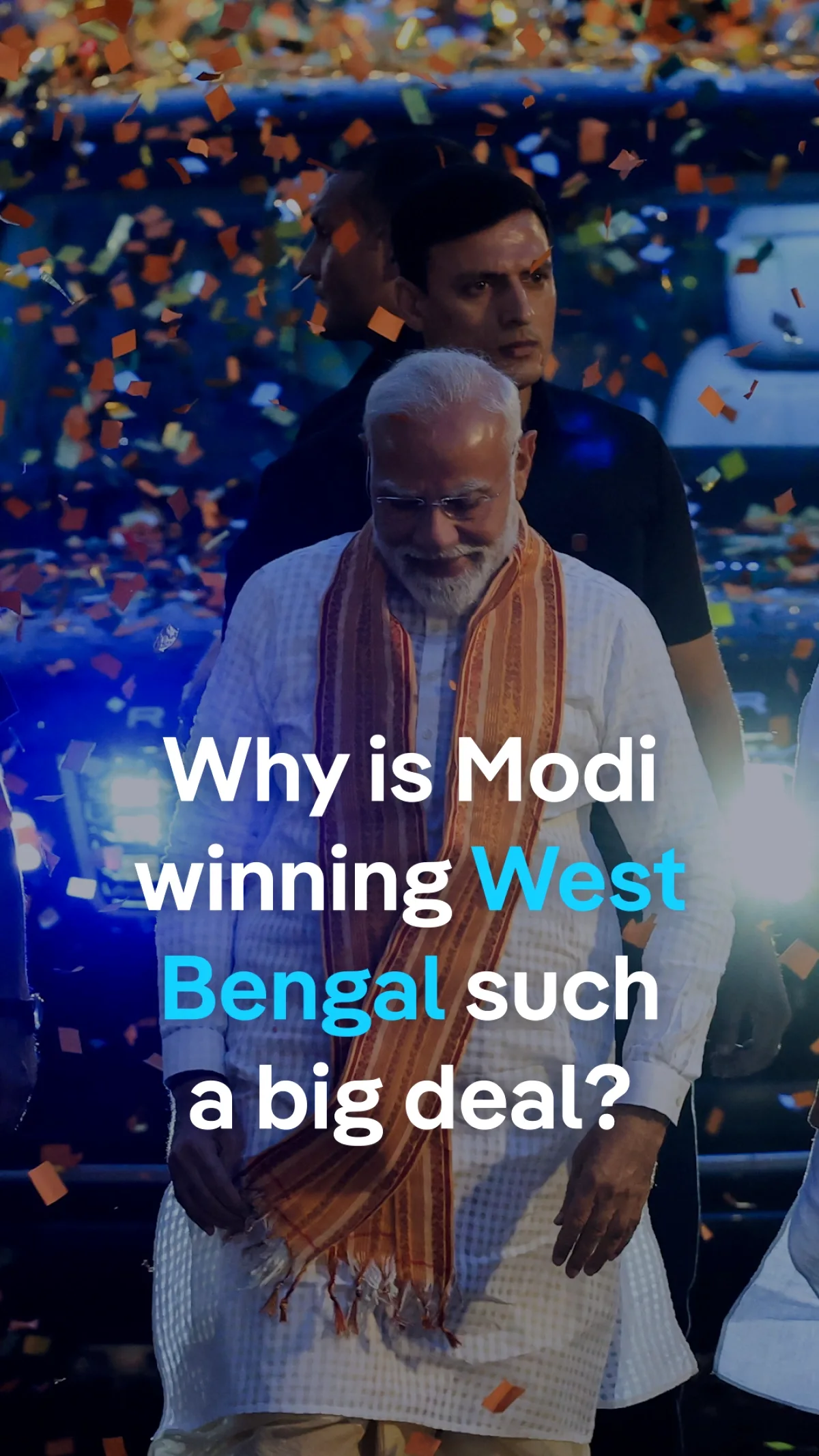
Election Results Breakdown
The BJP secured a commanding majority with 207 out of 293 seats, while the ruling Trinamool Congress saw a dramatic reduction from their previous 215 seats to just 80. This represents one of the most significant political reversals in recent Indian electoral history. Voter turnout reached 92.84%, indicating exceptionally high engagement in this pivotal contest.
Historical Context of West Bengal Politics
West Bengal had been considered an impregnable fortress for opposition parties against the BJP's national dominance. The Trinamool Congress, led by Mamata Banerjee, had maintained control for 15 years, leveraging strong regional identity and grassroots networks. This victory signals a fundamental realignment of voter loyalties and demonstrates the BJP's successful expansion beyond its traditional northern and western strongholds.
Strategic Implications
Political analysts view this outcome as a validation of Modi's national appeal and the BJP's organizational strength. The party's focused campaign on development issues, combined with its Hindu nationalist messaging, appears to have resonated with Bengal's diverse electorate. This victory strengthens Modi's position nationally and could influence upcoming policy decisions and political strategies. The defeat represents a significant setback for Mamata Banerjee and the opposition alliance, potentially altering the balance of power in national politics. It also raises questions about the future of regional parties in states where the BJP has traditionally struggled to gain footholds.
Editor's Analysis
This electoral earthquake in West Bengal represents more than just a change of government—it signals a fundamental transformation in India's political psychology. The BJP's ability to penetrate what was considered the opposition's most secure bastion demonstrates the party's evolving national appeal and organizational sophistication. For Modi, this victory provides additional momentum for his political agenda and reinforces his image as an unstoppable force in Indian politics. The results also suggest that traditional regional identities may be giving way to broader national narratives in voter decision-making. This development will likely force opposition parties to reconsider their strategies and could accelerate the reorganization of India's political landscape along new lines.
HaberGo Editor ve Muhabır ekibi