Gözden Kaçırmayın
 Çin, Manus'un Yabancı Satın Alımını Engelledi: Meta'nın 2 Milyar Dolarlık Anlaşması İptal
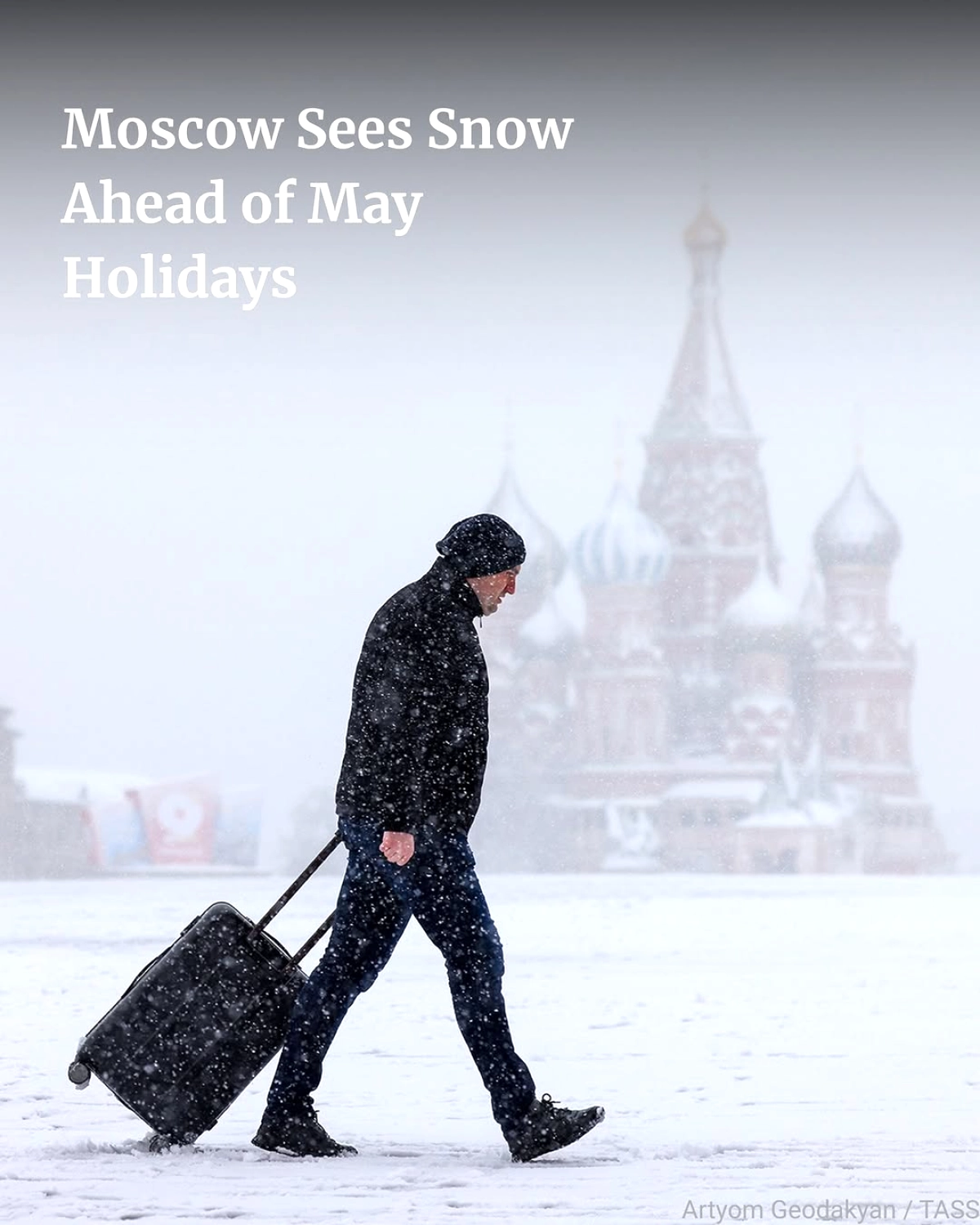
Record-Breaking April Blizzard Paralyzes Russian Capital
Muscovites experienced a historic weather event on Monday morning as the heaviest April snowfall since 1880 blanketed the Russian capital, with authorities warning the extreme conditions would continue for the next 48 hours.
The city received 21 millimeters of precipitation between Sunday night and Monday morning, equivalent to approximately 21 centimeters (8.3 inches) of snow accumulation. Yevgeny Tishkovets, chief meteorologist at the Phobos weather center, confirmed this unprecedented event in a Telegram post: "Never in the entire history of meteorological observation has there been this much snow on April 27."
Immediate Impacts and Emergency Response
The heavy, wet snow caused significant damage across the city and surrounding regions. Trees toppled under the weight, snapping power lines and cutting electricity to 50 villages in the Moscow Oblast area. Commuters faced massive disruptions as gridlocked traffic brought transportation to a standstill during the morning rush hour.
Air travel was severely affected with multiple airports temporarily grounding flights due to dangerously poor visibility and runway conditions. City officials escalated warnings by issuing an "orange" weather advisory, the second-highest alert level in Russia's meteorological warning system.
Tragically, two people lost their lives in a collision between a truck and passenger vehicle on a southeastern Moscow region highway near the Ryazan region, with authorities attributing the accident to the treacherous road conditions.
Meteorological Explanation Behind the Anomaly
European meteorologists identified the cause as an "Omega block" weather pattern over the North Atlantic. This stubborn high-pressure system has acted as a conveyor belt, funneling Arctic air deep into Eastern Europe while bypassing the region's usual westerly winds. The collision between this polar air mass and early spring warmth created the intense winter storm conditions.
Moscow Mayor Sergei Sobyanin urged residents to prepare for continued severe weather, warning of additional wet snow and wind gusts reaching up to 23 meters per second (50 miles per hour) throughout the next two days.
Historical Context and Climate Patterns
The previous record for April snowfall in Moscow dated back to 1880, making this event particularly remarkable for occurring so late in the spring season. Such extreme weather anomalies have become more frequent in recent years, with meteorologists noting increasing variability in seasonal patterns across Northern Hemisphere regions.
Omega block patterns, while rare, are known for creating prolonged weather conditions by stalling typical atmospheric circulation. The current system's persistence demonstrates how these blocking patterns can override seasonal expectations and create dramatic weather events.
Editör Yorumu
Bu tarihi kar fırtınası, iklim değişikliği bağlamında mevsimsel normallerin nasıl değişebileceğini çarpıcı şekilde gösteriyor. Moskova'nın altyapısının bu kadar geç bir bahar ayında böyle yoğun kar yağışına hazırlıklı olmaması, şehirlerin iklim esnekliği planlamasının önemini vurguluyor. Omega blok desenlerinin sıklığındaki artış, meteorologlar için gelecekteki kış-bahar geçişlerinde daha fazla beklenmedik extreme hava olayları olabileceğine işaret ediyor.













Yorumlar
Yorum Yap